Crowns
A crown is a thin shell that fully covers your tooth, providing structural strength, protection, and improved chewing surface.
Materials Used
Crowns can be made of metal or a combination of metal and porcelain however newer techniques use more zirconia and porcelain. Zirconia is a very strong material which is more aesthetic than metal and can be more closely matched to a tooth shade.
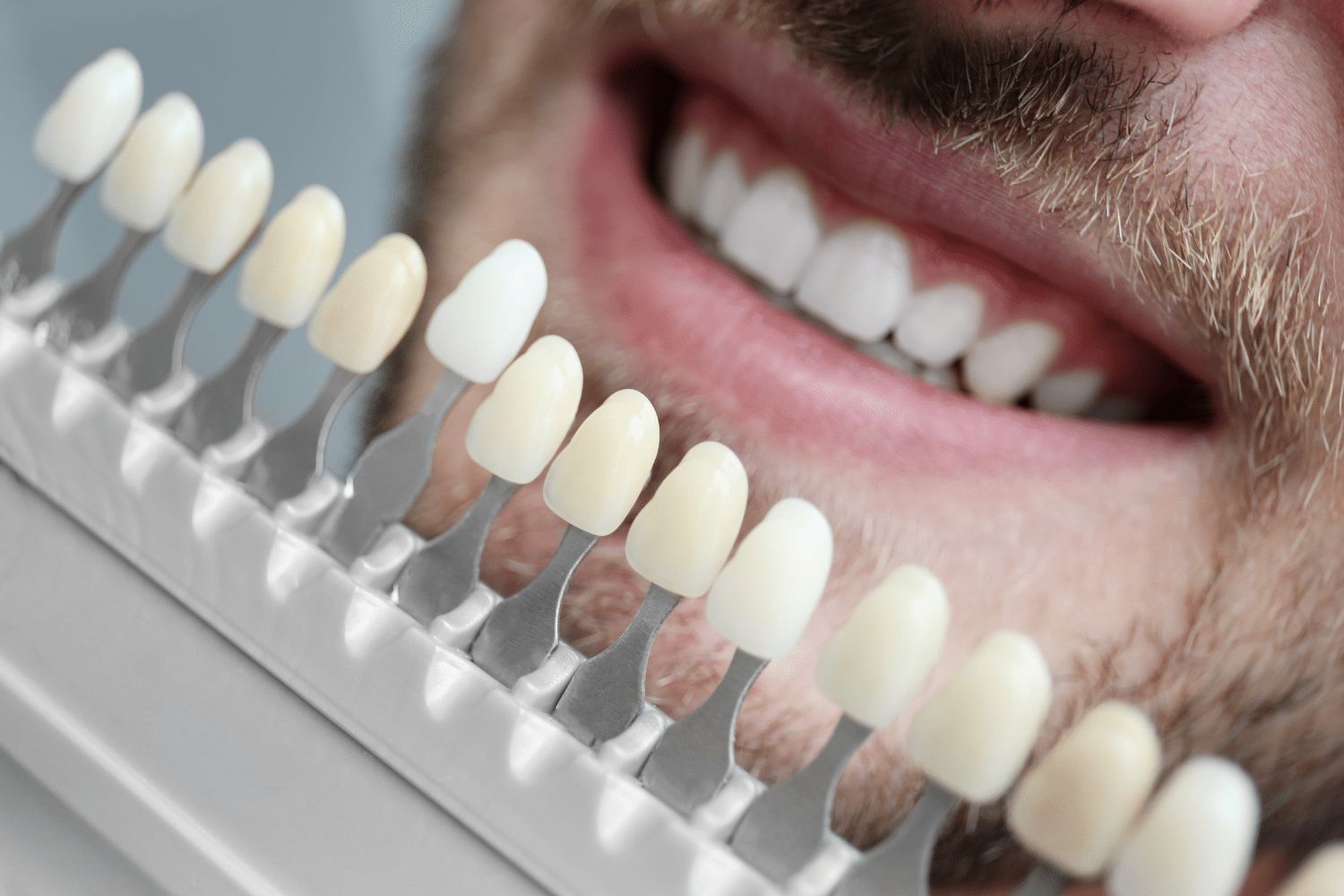
EMax is a type of lithium disilicate porcelain which can either be used on its own or paired with zirconia to get a very aesthetic result. A good crown will not only restore shape and function but also aesthetics so your dentist will work with you on selecting the right shade.
Choosing the right shade
Occasionally for front teeth a visit to the lab might be discussed for shade mapping. This is a process where we try to recreate a natural enamel shade and pattern in porcelain by combining the visual properties we can see. When choosing shade it is not just about colour. Translucency, hue and characterization are all considered.
Invisible Repairs for a Natural Look
crown Benefits
Restoration of Function and Strength
Crowns provide additional structural strength to a tooth that may be compromised due to decay, fractures, or extensive fillings. This restoration allows the tooth to function properly again in chewing and biting.
Enhanced Aesthetics
Crowns improve the appearance of a tooth by covering imperfections and matching the natural shade of surrounding teeth. Modern materials like zirconia and porcelain can closely mimic natural enamel, ensuring a more aesthetically pleasing result.
Longevity and Durability
With proper care and maintenance, dental crowns can last several years. They are a durable solution for restoring teeth that have been damaged or weakened, offering long-term benefits to oral health and appearance.
How long do crowns last?
Crowns can last several years if your oral hygiene is good and they are kept clean. They can be an excellent way to restore a broken or compromised tooth and also restore a more natural aesthetic appearance. Great care is taken in treatment planning for crowns to make sure that it is the most appropriate option for you, and that the treatment would provide the most benefit. Ask your dentist if you would like to know more.


Frequently Asked Questions
A crown is a thin shell that fully covers your tooth, providing structural strength, protection, and improved chewing surface.
The process of getting a dental crown is generally not painful. It is done under local anesthesia, so you should not feel pain during the procedure. Some patients may experience mild discomfort or sensitivity after the anesthesia wears off, which usually subsides within a few days.
It's important to maintain good oral hygiene by brushing twice a day and flossing daily, including around the crown to prevent plaque buildup and gum disease. Avoid chewing hard foods or using your teeth to open packages, as these actions can potentially damage the crown.
While rare, complications can include sensitivity to hot or cold temperatures immediately after the procedure, allergic reactions to materials used in the crown, or the need for additional treatments if the tooth underneath the crown becomes infected or the crown becomes loose. Your dentist will discuss these risks with you before proceeding with treatment.